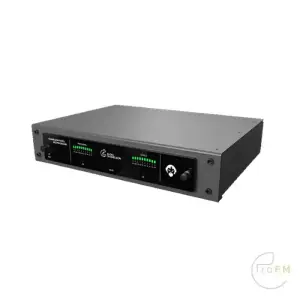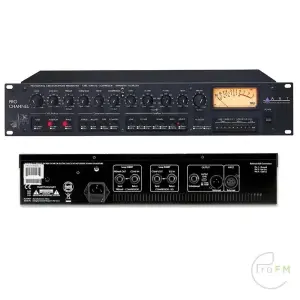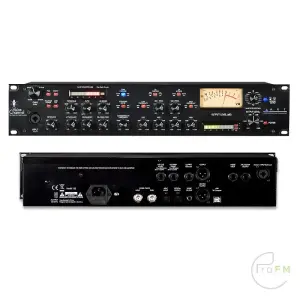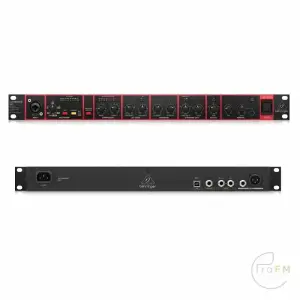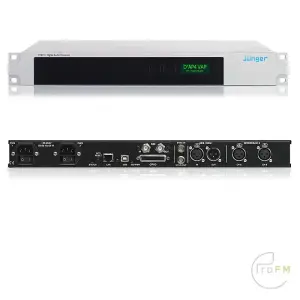
Angry Audio Rebel Microphone Processor (For EV Mics)
€ 995,00 EX VAT


A professional microphone processor improves speech clarity, audio dynamics and microphone signal quality in radio studios. A dedicated voice processor helps broadcasters maintain consistent speech levels during live programmes. In addition, a microphone preamp processor combines microphone amplification with audio processing functions. A broadcast voice processor can therefore play an important role in a professional radio studio.
Professional microphone processors offer more than basic microphone amplification. Depending on the model, they provide equalisation, compression, de-essing and noise gating. As a result, presenters can achieve a controlled and consistent microphone sound before the signal reaches the mixing console.
A microphone processor prepares the microphone signal for professional broadcasting and audio production. It can combine several processing functions within a single unit. Therefore, broadcasters can adjust speech characteristics without relying on multiple external processors.
For example, microphone processing can improve speech intelligibility and control sudden changes in speaking volume. In addition, suitable processing helps reduce unwanted background noise during quiet passages.
Professional microphone processors are especially useful in live radio studios, voice-over facilities and podcast production environments. However, the available functions depend on the selected equipment.
A broadcast voice processor focuses on the requirements of spoken-word audio. Radio presenters often have different speaking styles, microphone techniques and voice characteristics.
For this reason, professional voice processing helps control dynamic variations and maintain a more consistent output level. Furthermore, equalisation allows engineers to adjust the tonal balance of individual voices.
A suitable voice processor can also help manage sibilance and excessive low-frequency energy. As a result, speech becomes easier to control within the broadcast audio chain.
Microphones typically produce low-level electrical signals. Therefore, a microphone preamplifier increases the signal to a suitable operating level for professional audio equipment.
A microphone preamp processor combines this amplification stage with additional signal processing. Depending on the model, it may include adjustable gain, phantom power, filtering and dynamic processing.
For example, condenser microphones often require 48V phantom power. Meanwhile, dynamic microphones may need additional preamplifier gain to achieve a suitable signal level.
Good gain adjustment is essential for clean audio. Therefore, engineers should set the input level carefully to avoid excessive noise or unwanted distortion.
Professional microphone processors may offer several tools for improving speech quality. Each function serves a different purpose within the microphone signal chain.
For example, compression helps maintain a more consistent speech level when presenters move slightly away from the microphone. Meanwhile, a de-esser can reduce harsh sibilance without changing the overall voice character excessively.
However, excessive processing can make speech sound unnatural. Therefore, careful adjustment remains essential for professional broadcast applications.
A professional radio studio typically routes microphone signals through a preamplifier and suitable processing stages. The processed audio then reaches the mixing console or digital audio system.
Some studios use dedicated hardware for each microphone channel. Alternatively, certain broadcast consoles provide integrated microphone processing.
Dedicated external processors can offer additional control and independent settings. Furthermore, they may support studio installations that use existing analogue or digital mixing consoles.
However, engineers should always check the available connections, operating levels and signal routing before selecting equipment.
When choosing a microphone processor, first consider the microphone type and required input gain. Next, check which processing functions the unit provides.
For example, some applications require only microphone amplification and basic compression. Other installations benefit from adjustable EQ, de-essing, noise gating and limiting.
Also consider the available audio connections. Professional equipment may offer balanced analogue inputs and outputs, while selected models support digital audio connections.
Furthermore, check whether the processor provides phantom power for compatible condenser microphones. If the studio uses multiple presenters, consider how easily operators can adjust or recall individual settings.
Finally, make sure the selected processor fits the existing studio workflow. Suitable equipment should offer reliable operation and the necessary control over microphone sound.
At ProFM Broadcast, we specialise in professional equipment for radio broadcasting and audio production. Our microphone processor category focuses on solutions for speech processing and studio microphone signal management.
Whether you are upgrading an existing broadcast studio or designing a new radio installation, suitable microphone processing equipment helps create a controlled audio signal.
Explore our selection of professional microphone processors and voice processing equipment for radio studios, broadcasting and spoken-word production.
Showing all 8 results





Protected by Security by CleanTalk