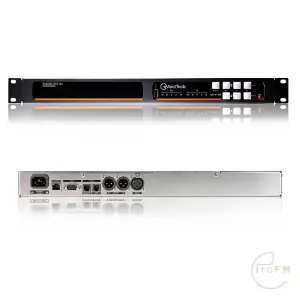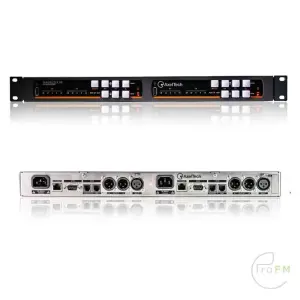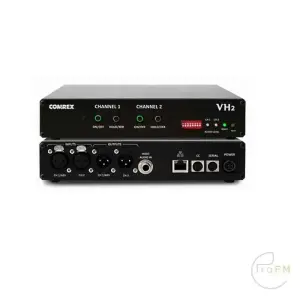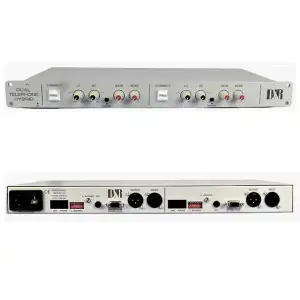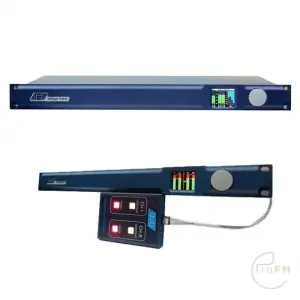
AEV ITB 302 EVO Phone Hybrid
€ 1.499,00 EX VAT

 A professional telephone hybrid connects telephone callers to a broadcast audio system. A broadcast telephone hybrid allows radio presenters to communicate with listeners and remote guests during live programmes. In addition, a VoIP telephone hybrid can support telephone connections over compatible IP networks. These phone hybrids help radio stations manage caller audio and integrate telephone conversations into studio productions.
At ProFM Broadcast, we offer professional broadcasting equipment for radio stations, production studios and audio facilities. Our range of telephone interfaces supports live interviews, listener participation and remote contributions.
Whether you operate a commercial radio station or a smaller broadcasting studio, reliable telephone audio is essential. Therefore, choosing the right interface helps maintain clear communication during live programmes.
Professional telephone hybrids provide a connection between telephone services and studio audio equipment. They allow broadcasters to bring remote callers into live radio programmes, interviews and discussion shows.
For example, a presenter may use a telephone interface to speak with a listener during a live broadcast. Meanwhile, the studio mixing console controls the caller’s audio level within the programme.
These devices are particularly useful for talk radio, news broadcasting and interactive programmes. In addition, they support communication with contributors who cannot attend the studio in person.
Depending on the model, different telephone technologies and audio connections may be available.
A broadcast telephone hybrid separates incoming caller audio from the signal sent back to the telephone connection. This allows a broadcasting console to handle both audio directions.
In traditional analogue telephone systems, hybrid circuitry helps separate the send and receive signals. Digital models may use additional signal processing to improve audio performance.
For example, a caller’s voice can be routed to the studio mixer while the presenter receives a separate return signal. As a result, the conversation becomes part of the live programme.
The available connections and operating methods depend on the selected equipment.
Mix-minus is an important concept in broadcast telephone integration. It provides the caller with a return audio mix that excludes the caller’s own voice.
Without a suitable return signal, the caller may hear delayed audio or unwanted feedback. Therefore, correct audio routing is essential for a comfortable conversation.
Many broadcast mixing consoles provide dedicated telephone or clean-feed outputs. These can be used with compatible telephone interfaces.
For example, a radio presenter can send programme audio to a remote guest while excluding that guest’s incoming signal. Consequently, both participants can communicate more naturally.
However, the correct configuration depends on the studio console and telephone equipment.
A VoIP telephone hybrid connects compatible internet-based telephone services to a broadcasting environment. VoIP technology transports voice communication over IP networks rather than traditional analogue telephone lines.
Some professional broadcast interfaces support SIP-based telephone connections. These systems can provide a practical solution for studios using modern IP telephony infrastructure.
In addition, certain models offer network configuration options and digital audio connections. This can simplify integration with compatible studio systems.
Nevertheless, VoIP support varies between products. A conventional analogue telephone interface does not automatically support SIP or IP-based calling.
Before selecting equipment, check the telephone service, network requirements and available audio connections.
Broadcast telephone equipment is available in different technical configurations. Traditional analogue units are designed for compatible telephone lines, while digital systems may provide additional processing and control options.
For example, a digital telephone interface may include signal processing to reduce echo or improve the separation of incoming and outgoing audio.
Some models also provide balanced analogue audio connections for professional mixing consoles. Other equipment may support digital audio interfaces or network-based integration.
Therefore, the best solution depends on the telephone infrastructure and the existing broadcast studio equipment.
Clear caller audio is important during live broadcasting. Telephone connections can introduce background noise, echo and variations in signal level.
Depending on the model, professional interfaces may provide automatic gain control, echo cancellation or other audio processing functions.
These features can help maintain consistent communication between presenters and callers. However, overall sound quality also depends on the telephone connection and correct studio configuration.
Some systems offer call management functions such as answering, holding or switching between callers. In addition, more advanced installations may use external call screening equipment.
Not every interface includes these capabilities. Consequently, broadcasters should compare the available functions before purchasing.
Professional phone hybrids are commonly connected to radio mixing consoles using dedicated audio inputs and outputs. This allows telephone conversations to be controlled alongside microphones, music and other programme sources.
For example, the incoming caller signal can be connected to a mixer channel. Meanwhile, a suitable clean-feed or mix-minus output provides the return audio.
Some installations also use control connections for call answering or other operational functions. These features depend on the interface and mixing console.
Furthermore, correct gain settings and audio routing help prevent distortion and unwanted feedback.
Telephone interfaces are used in many professional broadcasting situations. They allow presenters and production teams to include remote participants without requiring everyone to be physically present.
For example, a news station may use a telephone interface to interview a correspondent. Meanwhile, a talk radio programme may use similar equipment for listener participation.
As a result, telephone integration remains an important part of many broadcast workflows.
When selecting a telephone hybrid, start by identifying the telephone technology used by your organisation. This determines whether an analogue, digital or IP-based interface is appropriate.
Next, consider the number of telephone connections required. Some applications need only one caller, while more complex productions may require additional lines or dedicated call management.
Also check the audio input and output connections. Compatibility with the existing broadcast mixing console is essential for correct operation.
Furthermore, consider available audio processing, remote control options and installation requirements. These features can affect daily studio operation.
Finally, verify that the selected equipment supports the intended telephone service and broadcasting workflow.
At ProFM Broadcast, we specialise in professional equipment for radio stations and broadcasting facilities. Our product range supports reliable studio operation and audio integration.
Whether you need a traditional telephone interface or a modern IP-based solution, choosing suitable equipment helps bring remote callers into professional radio productions.
Our professional phone hybrids category helps broadcasters compare telephone integration solutions for studio applications. Explore the available equipment for live programmes, interviews and production communication.
Showing 1–10 of 18 results




Protected by Security by CleanTalk