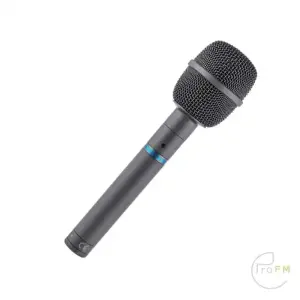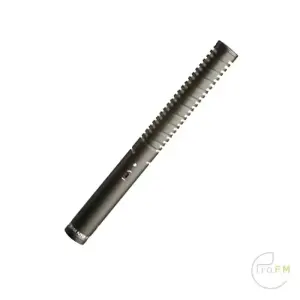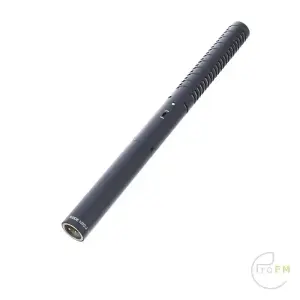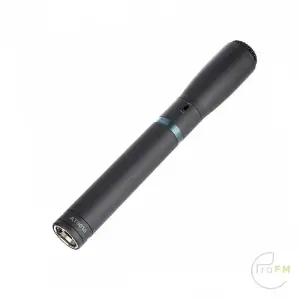
Audio Technica AT 8010 Condenser Reporter Microphone
€ 218,00 EX VAT

 A professional broadcast microphone delivers clear and reliable speech reproduction for radio stations. A suitable studio microphone helps presenters achieve consistent sound quality during live programmes. In addition, a dynamic microphone offers practical advantages in many broadcasting environments. Choosing the right radio broadcast microphone is therefore essential for professional speech production.
At ProFM Broadcast, we focus on professional audio equipment for radio studios, broadcast journalism and spoken-word production. Our selection includes solutions for different recording environments and broadcasting requirements.
Whether you are presenting a live radio show or reporting from the field, audio quality matters. Therefore, selecting the correct microphone type helps achieve clear and intelligible speech.
Professional microphones must meet the demands of broadcasting and audio production. They should capture speech accurately while providing reliable operation in everyday studio environments.
A professional model should offer suitable sensitivity, frequency response and directional characteristics. In addition, it must work effectively with the studio’s microphone preamplifiers and mixing consoles.
Radio presenters often work close to their microphones. Therefore, many broadcasters choose models that provide controlled proximity response and effective rejection of unwanted sound.
However, the best microphone depends on the studio acoustics, presenter technique and required sound characteristics.
A professional studio microphone plays an important role in radio production. It captures the presenter’s voice before the signal enters the studio mixing console or audio processing system.
Different studio microphones offer different tonal characteristics and sensitivity levels. As a result, engineers can select models that suit particular voices and recording environments.
For example, some microphones provide a warm and controlled speech sound. Others offer greater detail and sensitivity. Therefore, the choice should reflect the required broadcast sound.
Professional studio installations may also include microphone boom arms, shock mounts and pop filters. These accessories improve positioning and help control handling noise and plosive sounds.
A dynamic microphone is a popular choice for radio broadcasting and spoken-word production. Many dynamic models offer robust construction and practical close-talking characteristics.
Furthermore, conventional moving-coil dynamic microphones do not require phantom power. However, some models need substantial preamplifier gain because of their relatively low output level.
A professional dynamic microphone can work particularly well in studios where presenters speak close to the microphone. Directional models can also help reduce unwanted off-axis sound.
Nevertheless, room acoustics, microphone placement and speaking technique remain important. No microphone can completely eliminate background noise.
Condenser microphones provide another option for professional broadcasting. They often offer high sensitivity and detailed sound reproduction.
As a result, condenser models can be suitable for controlled studio environments, interviews and voice-over recording. However, their sensitivity may also reveal unwanted room noise.
Many professional condenser microphones require 48V phantom power. Therefore, always check the microphone’s power requirements and the available preamplifier connections.
Both dynamic and condenser microphones can deliver excellent audio quality. The correct choice depends on the application and acoustic environment.
A reliable radio broadcast microphone helps presenters communicate clearly with their audience. Whether used for news, interviews or live radio shows, consistent speech reproduction is essential.
Professional radio broadcast microphones should also support comfortable positioning and reliable everyday operation.
For example, a fixed studio installation may benefit from an adjustable boom arm. Meanwhile, reporters working outside the studio often prefer handheld models.
Therefore, different broadcasting applications require different designs and accessories.
Reporter microphones are designed for interviews, news gathering and other field recording applications. They provide practical handling and suitable speech pickup outside the studio.
Handheld dynamic models are often useful for live interviews. In addition, directional microphones can help isolate a speaker from surrounding sounds when positioned correctly.
For mobile reporting, durability and ease of operation are important considerations. Furthermore, suitable wind protection helps reduce unwanted wind noise during outdoor recordings.
Depending on the application, reporters may also use shotgun microphones, lavalier microphones or wireless microphone systems.
A microphone’s polar pattern describes how it responds to sound arriving from different directions. Therefore, it influences the amount of surrounding sound captured during broadcasting.
For example, cardioid microphones are commonly used for individual presenters. However, omnidirectional models can be useful when microphone handling and positioning vary during interviews.
Consequently, choosing the correct polar pattern helps improve speech pickup and overall performance.
Professional studio models typically connect to microphone preamplifiers or broadcast mixing consoles. Many use balanced XLR connections for reliable audio signal transmission.
A suitable microphone preamplifier provides the required gain. In addition, microphone processing equipment can help control speech dynamics and tonal balance.
For example, compression can reduce excessive volume differences between presenters. Meanwhile, equalisation can help adjust speech characteristics for the desired broadcast sound.
However, correct positioning and gain adjustment should always come before additional audio processing.
When selecting a broadcast microphone, first consider the intended application. A radio studio has different requirements from a mobile reporting setup.
Next, compare the microphone type, polar pattern and sensitivity. Also check whether the model requires phantom power or additional preamplifier gain.
For studio applications, consider mounting options and available accessories. For example, a suitable boom arm and pop filter can improve positioning and everyday operation.
Furthermore, evaluate the acoustic environment. A well-positioned microphone in a suitable room often provides better results than expensive equipment used incorrectly.
Finally, select a model that fits your existing broadcast console and production workflow.
At ProFM Broadcast, we specialise in professional equipment for radio stations, broadcast studios and audio production facilities.
Our microphone category covers solutions for studio presentation, broadcast interviews and field reporting. Whether you need a studio microphone or a professional dynamic microphone, selecting suitable equipment helps achieve reliable speech reproduction.
Explore our selection of professional microphones for radio broadcasting, studio production and journalism.
Showing 1–12 of 24 results

Protected by Security by CleanTalk